LCV HONORS ADRIAN GRENIER, HANSJORG WYSS, NEW JERSEY LCV AT ANNUAL DINNER
News Article •
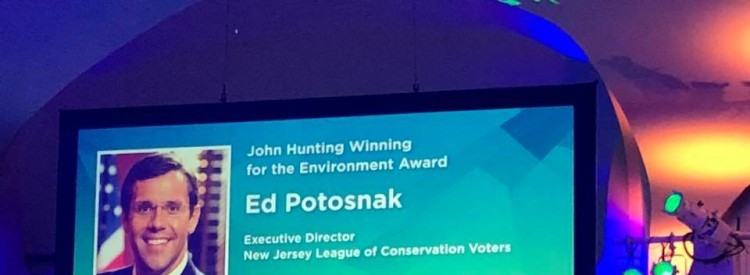
Washington, D.C. — At its annual dinner in the nation’s capital Wednesday night, the League of Conservation Voters (LCV) presented awards to actor and activist Adrian Grenier, conservationist and philanthropist Hansjorg Wyss, and the New Jersey League of Conservation Voters.
Groups celebrate conditional veto of hazardous waste processer bill
News Article • • by Michelle Brunetti at Press of Atlantic City
A hazardous waste processor will not be able to quickly reopen in Salem County after Gov. Phil Murphy conditionally vetoed a bill that would have exempted it from new permit requirements.
“The improvements the Governor made to the bill in his conditional veto will safeguard our clean drinking water, the Delaware River, and the fishing industries that rely on its health,” said Ed Potosnak, executive director of New Jersey League of Conservation Voters.
NEW JERSEY LCV APPLAUDS GOVERNOR MURPHY’S CONDITIONAL VETO OF HAZARDOUS WASTE BILL
Press Release •
TRENTON, NJ- New Jersey League of Conservation Voters would like to thank Governor Murphy for his conditional veto of A3116/S879, which would amend the definition of “existing major hazardous waste facility” in “Major Hazardous Waste Facilities Siting Act.”
The legislation would create a loophole that allows the DuPont/Chambers Works plant to accept an expanded collection of hazardous wastes, which includes fracking waste from Pennsylvania. If the bill had been signed in the current form, the company would have been able to avert the important environmental regulatory reviews to protect clean drinking water. The and allow the plant to renew commercial operations, which is unprecedented considering its toxic past.
The Governor sent the bill back to the Senate, asking simply to apply current public health and environmental protection to the wastewater treatment facilities.
10 of New Jersey's toughest environmental risks
News Article • • by Michelle Brunetti Post at Press of Atlantic City
As the most densely populated state in the U.S., with one of the oldest industrial bases and highest number of severely polluted Superfund sites, New Jersey may be expected to face severe environmental problems.
And we do. But a coalition of environmental groups led by the New Jersey League of Conservation Voters Education Fund has prepared a plan to tackle some of the biggest environmental threats.
PLAN ADVANCES TO BAN FOAM CUPS AND PLATES IN NJ SCHOOL CAFETERIAS
News Article • • by Michael Symons at WPG Talk Radio
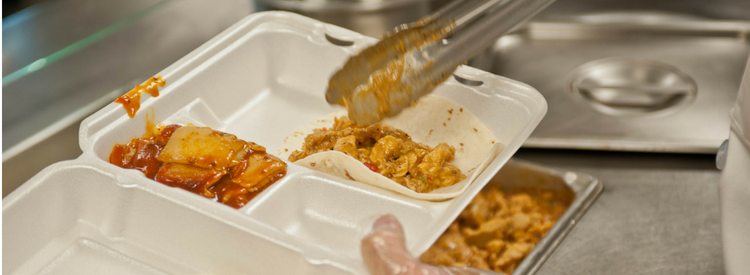
A bill directing public schools and colleges in New Jersey to stop selling food and beverages in polystyrene packaging has taken a first step in the Legislature.
Henry Gajda, a public policy association for the New Jersey League of Conservation Voters, said the plastic takes 500 years to biodegrade and accumulates in the food chain and waterways. He said 25 billion polystyrene cups are used a year in the United States, accounting for 20 percent to 30 percent of landfill composition.
LETTER: State doesn’t need the PennEast pipeline
News Article • • by Ed Potosnak at My Central Jersey
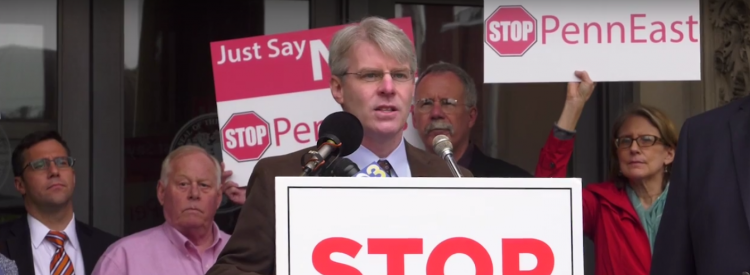
New Jersey voters know it: our state’s energy future rests upon clean, renewable energy, not polluting fossil fuels. This was clearly demonstrated in November with the election of Gov. Phil Murphy, who campaigned on a platform of setting the state on a path to 100 percent clean energy by 2050. Moving forward on this path shouldn’t include investment in unneeded fossil fuel infrastructure that would work against the state’s efforts to reach that critical goal.
GOVERNOR MURPHY ADVANCES NEW JERSEY TOWARDS 100% CLEAN ENERGY BY 2050: New Jersey on track to be greenest state in America
Press Release •
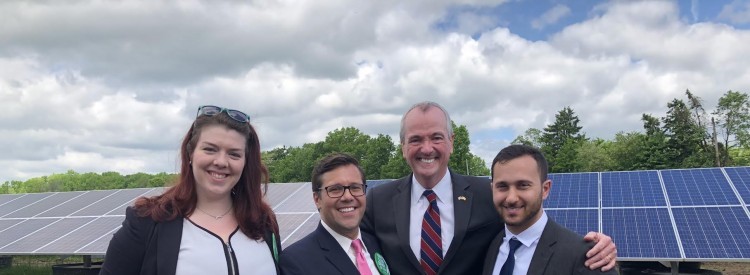
TRENTON—Today, Governor Phil Murphy signed a landmark clean energy bill, requiring New Jersey to achieve the highest standard for renewable energy in the country—over 50% of the state’s portfolio must come from clean, renewable energy such as solar and wind by 2030, a fourfold increase over the achievements made since 2001. Additionally, the Governor also signed an executive order directing the BPU to update the Energy Supply Master Plan to move New Jersey to 100% clean energy by 2050.
Bill Would Ban NJ Schools From Selling Food In Styrofoam Containers
News Article • • by Phil Gregory at WBGO
New Jersey lawmakers are considering legislation that would prohibit public schools and universities from selling food and beverages in Styrofoam containers.
Henry Gajda with the New Jersey League of Conservation Voters told lawmakers it takes about 500 years for a Styrofoam cup to biodegrade.
STATE STILL STRUGGLING WITH STORMWATER RUNOFF, CAN NEW BILL HELP?
News Article • • by Tom Johnson at NJ Spotlight
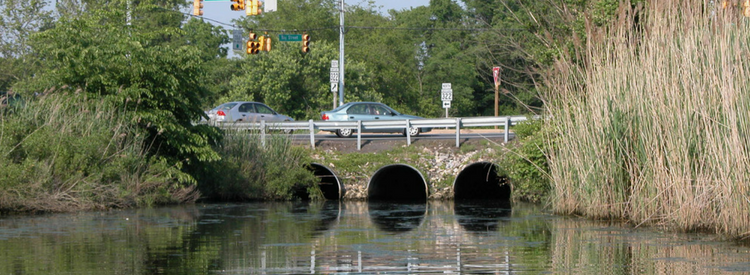
Pollution from stormwater runoff is a $15 billion problem that won’t go away. Stormwater utilities could help Garden State get a handle on the solution.
The state is reviving a decade-old idea to help New Jersey address a $15 billion problem to better manage stormwater runoff, an issue widely recognized as fouling waterways and exacerbating flooding.
Testimony on S1333, Updating Shore Protection Master Plan
Testimony •
TYPE: Legislation
NUMBER: S1333
DESCRIPTION: Requires DEP to update Shore Protection Master Plan
POSITION: Support with amendments
TO: Senate Energy & Environment Committee